Every few months a new wellness trend takes over my feed, and most of the time I find myself gently explaining why it isn’t worth the hype. Fibremaxxing is different. It’s one of the rare trends that’s pointing people in genuinely the right direction, and I’d love more people to try it. I’d just like them to do it in a way that doesn’t leave them doubled over and bloated by day three.
What fibremaxxing actually means
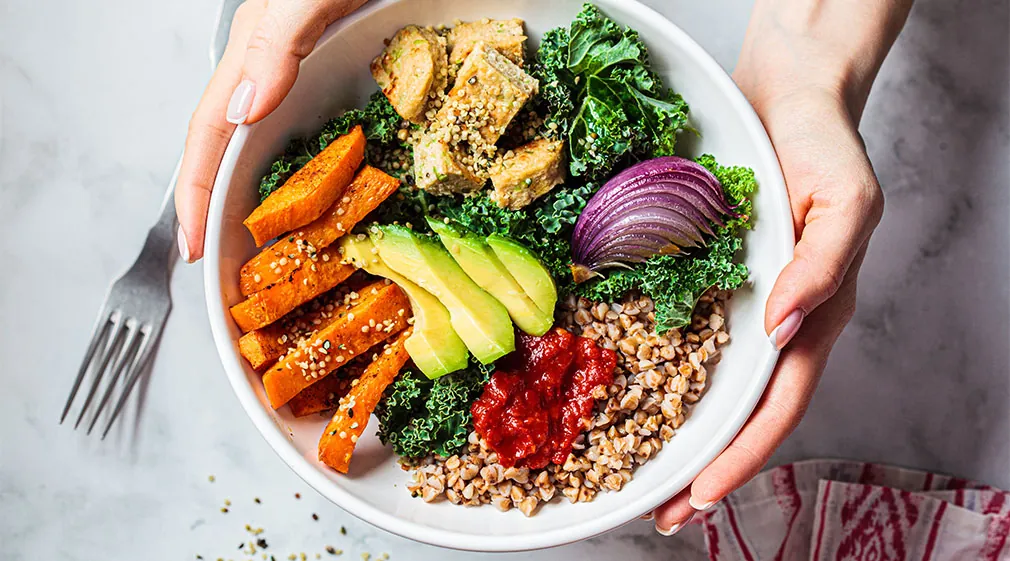
The idea is simple: you deliberately eat more fibre, and more kinds of fibre, every day. People are adding chia to their yoghurt, beans to everything, seeds to their salads and an extra portion of vegetables to each meal. Some take it to extremes and track grams like they used to track calories, which I don’t think is necessary, but the principle behind it is sound.
Most adults are recommended around 30g of fibre a day, and most of us fall well short of that. That gap matters, because fibre does far more than keep you regular.
Why fibre matters so much
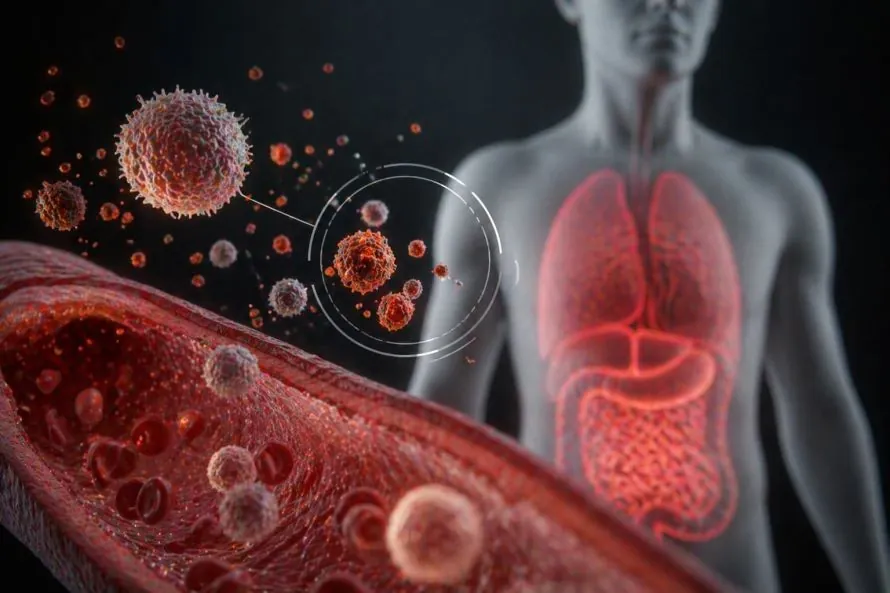
Fibre is food for the bacteria in your gut. When they ferment it, they produce short-chain fatty acids such as butyrate, which help nourish the lining of your gut, support a healthy immune response and help keep inflammation in check. Fibre also slows down how quickly sugar reaches your bloodstream, keeps you fuller for longer and helps your gut release its own fullness signals, including GLP-1, the same hormone that has become so famous through weight-loss injections.
It also matters which fibre you eat. Different plants feed different bacteria, which is why I care just as much about variety as I do about quantity. Research from the American Gut Project found that people who ate thirty or more different plant foods a week had a more diverse microbiome than those who ate ten or fewer. Herbs, spices, nuts, seeds, legumes, wholegrains, fruit and vegetables all count.
Aim for variety rather than numbers, and listen to how your body responds.
Where people go wrong
The biggest mistake I see is going from very little fibre to a huge amount overnight. Your gut bacteria need time to adapt, so a sudden jump usually means gas, cramping and bloating, and people understandably conclude that fibre doesn’t agree with them. It usually does, it just needs a gentler introduction.
The second mistake is leaning on powders and fibre-fortified snack bars. They can have their place, but they won’t give you the range of plant compounds, polyphenols and different fibre types that whole foods do. And the third is forgetting water. Fibre draws water into the gut, so if you increase one without the other, you can end up more constipated than before.
How I’d build up fibre without the bloat
Add one thing at a time and give it a few days before adding the next. A tablespoon of ground flaxseed in the morning, then a handful of lentils or chickpeas at lunch, then an extra portion of vegetables at dinner. Build slowly over two or three weeks rather than all at once.
Think in terms of plant points rather than grams. Every different plant you eat in a week counts once, so a mixed seed sprinkle, a handful of fresh herbs or a spoonful of spice can quietly add four or five plants to a meal. Keep a jar of mixed seeds by the kettle and a bag of frozen mixed vegetables in the freezer, and you’re most of the way there.
Pair fibre with protein, especially at breakfast. It keeps your blood sugar steadier and stops you reaching for something sweet by eleven o’clock. And drink enough water through the day, more so if you’re in a hot climate like Dubai.
When fibremaxxing isn’t the right move
If you already struggle with significant bloating, IBS, SIBO or inflammatory bowel disease, piling on more fibre can make things worse before the underlying issue is addressed. In those cases, I’d want to work out what’s driving your symptoms first and then reintroduce fibre in the right forms and amounts. That isn’t failing at the trend, it’s simply doing it in the right order.
The bottom line
Fibremaxxing is a trend I’m genuinely happy to see, because it gets people eating more plants and caring about their gut. Go slowly, aim for variety rather than numbers, and listen to how your body responds. If you’re not sure whether your gut is ready for it, my free Root Cause Quiz will show you where your digestion sits, and you’re always welcome to book a discovery call to talk it through.