
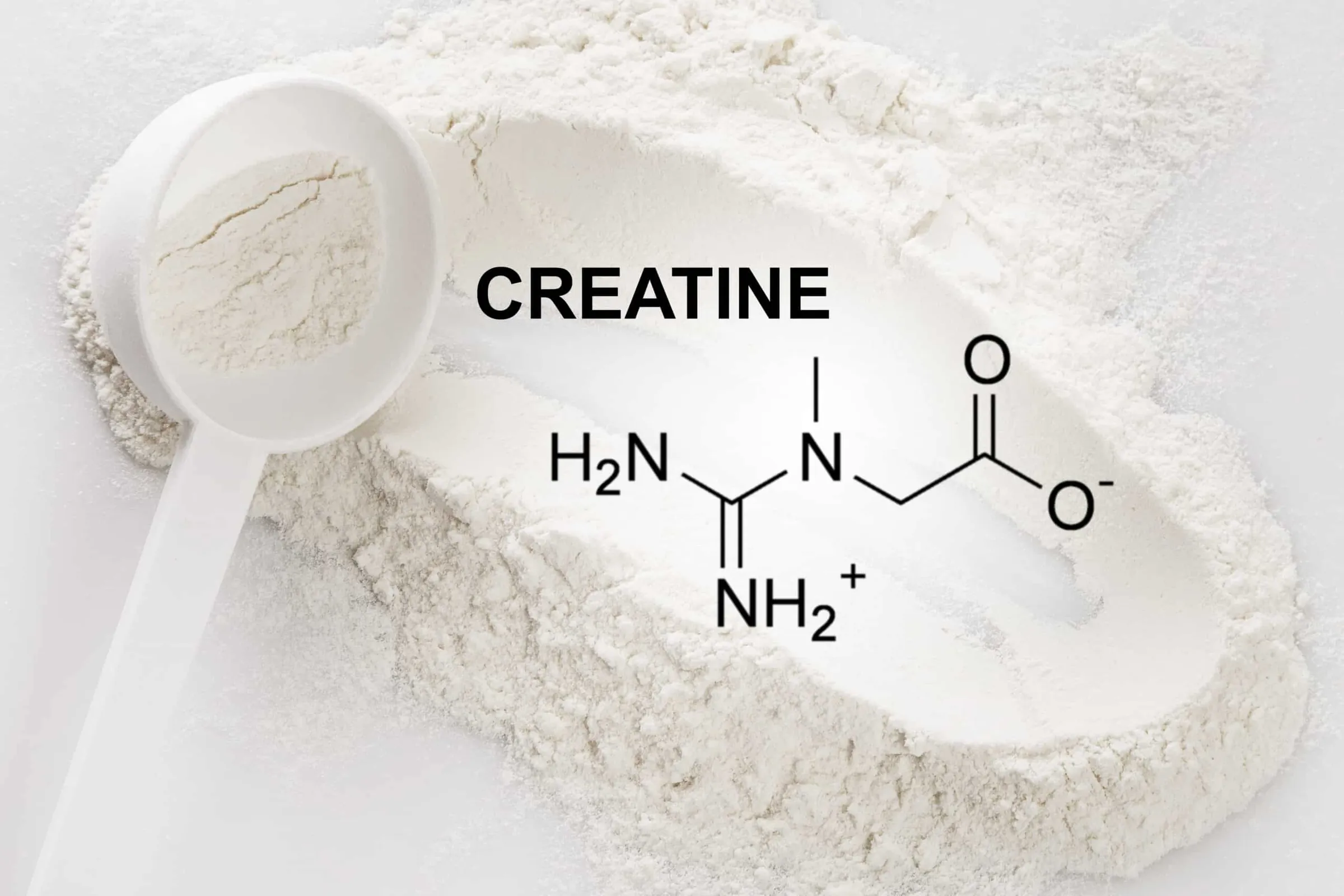
For years, creatine was something you’d only find in the supplement cupboards of people who lift weights. Now it’s being talked about for memory, focus, brain fog and even healthy ageing, and I get asked about it constantly, so I wanted to explain what creatine actually does in the brain, what the research does and doesn’t show, and whether it’s worth considering for you.
What creatine is
Creatine is a compound your body makes naturally from amino acids, mainly in the liver and kidneys. You also get some from food, particularly meat and fish. Most of it is stored in your muscles, which is why it became so popular for strength training, but a smaller and very important amount is stored in your brain.
Why your brain needs it
Your brain makes up only around 2% of your body weight, yet it uses roughly a fifth of your energy. Creatine acts like a quick-release energy reserve inside your cells, helping them to recharge their main energy currency, ATP, when demand is high. That’s especially relevant when you’re mentally stretched, under stress or running on too little sleep, which is exactly when the brain’s energy supply comes under the most pressure.
Creatine can be a useful tool, but it works best when it sits on top of the basics rather than trying to make up for them.
What the research shows
This is an exciting area of research, and while it’s still developing, there are some interesting findings:
- Sleep deprivation. Studies have found that people who took creatine performed better on certain cognitive tasks after a night without sleep than those who didn’t, suggesting it may help the brain cope when it’s under strain.
- Memory, attention and processing speed. Several studies suggest creatine may give a modest boost to short-term memory and reasoning, with the clearest benefits seen in people who are older, under stress or who eat little or no meat and fish.
- Women’s health. There is growing interest in creatine for women, as some research suggests women may respond particularly well, and it’s being explored for brain fog during perimenopause.
- Alzheimer’s disease. A small pilot study published in 2025 gave creatine to 20 people with Alzheimer’s for eight weeks. Their brain creatine levels rose by around 11%, and there were improvements in some measures of memory and thinking. It’s a very early study, but an encouraging one.
It’s important to be honest about the limits too. The ideal dose for brain health hasn’t been established yet, studies are still fairly small, and not everyone notices a difference.
How to take it
If you decide to try creatine, these are the basics I’d suggest:
- Choose creatine monohydrate. It’s the most researched form, it’s affordable and there’s no good evidence that more expensive versions work better.
- 3 to 5 grams a day is the amount most commonly used. You don’t need a loading phase, and consistency matters more than timing.
- Look for a third-party tested product, so you know it contains what it says it does and nothing else.
- Drink plenty of water, as creatine draws water into your cells. That’s especially important in Dubai’s heat.
Common myths
One of the biggest worries I hear, especially from women, is that creatine will make you bulky. It won’t. You may notice a small increase on the scales in the first few weeks, but that’s water being stored in your muscles rather than fat. Combined with strength training, creatine can support muscle strength, which matters more and more as we age.
Who should be careful
Most people don’t need creatine to avoid a deficiency, because the body makes its own. And there’s no routine blood test that tells you whether you’d benefit from more for brain health.
If you have kidney disease or any other medical condition, are pregnant or breastfeeding, or take regular medication, please speak to your doctor or a qualified practitioner before starting it. It’s also worth knowing that creatine can raise creatinine on a blood test, which is a common marker of kidney function, so let your doctor know you’re taking it before any blood work.
Brain fog has many causes
Brain fog and forgetfulness are real and frustrating, but they’re rarely a sign that you’re simply low in creatine. Poor sleep, chronic stress, blood sugar swings, thyroid problems, hormonal changes and low iron or vitamin B12 are all common culprits, and I’d always want to look at those first.
The foundations still do the heavy lifting: a nutrient-rich diet, steady blood sugar, good sleep, regular movement and ways to manage stress. Creatine can be a useful addition on top of that, but it isn’t a substitute for getting to the root of why you’re struggling.
If brain fog, low energy or poor concentration are affecting your life, book a complimentary discovery call, or take the free Root Cause Quiz to see which areas of your health may be asking for support.