Most of us have a packet of painkillers somewhere in the house, and there are times when I’m genuinely grateful they exist. After surgery, an injury or a pounding migraine, they can be a lifeline. Living with fibromyalgia taught me just how much pain can take over your life, so I’d never tell anyone to simply put up with it.
What I do want to talk about is what happens when painkillers become a daily habit, because for a lot of people they quietly go from an occasional helper to something they can’t get through the week without. And while they turn the volume down on pain, they rarely tell us why it’s there in the first place.
Pain is a message
Pain is your body’s alarm system. It’s how your body tells you that something needs attention, whether that’s an injured joint, tense muscles, inflammation, a hormonal imbalance or a nervous system that’s been running on stress for too long.
Inflammation is part of that picture too. In the short term it’s an essential part of healing, bringing blood, nutrients and immune cells to the area that needs repair. The problem comes when inflammation becomes ongoing and low-grade, which is something I’ve written about in the signs of quiet inflammation.
What regular use can do
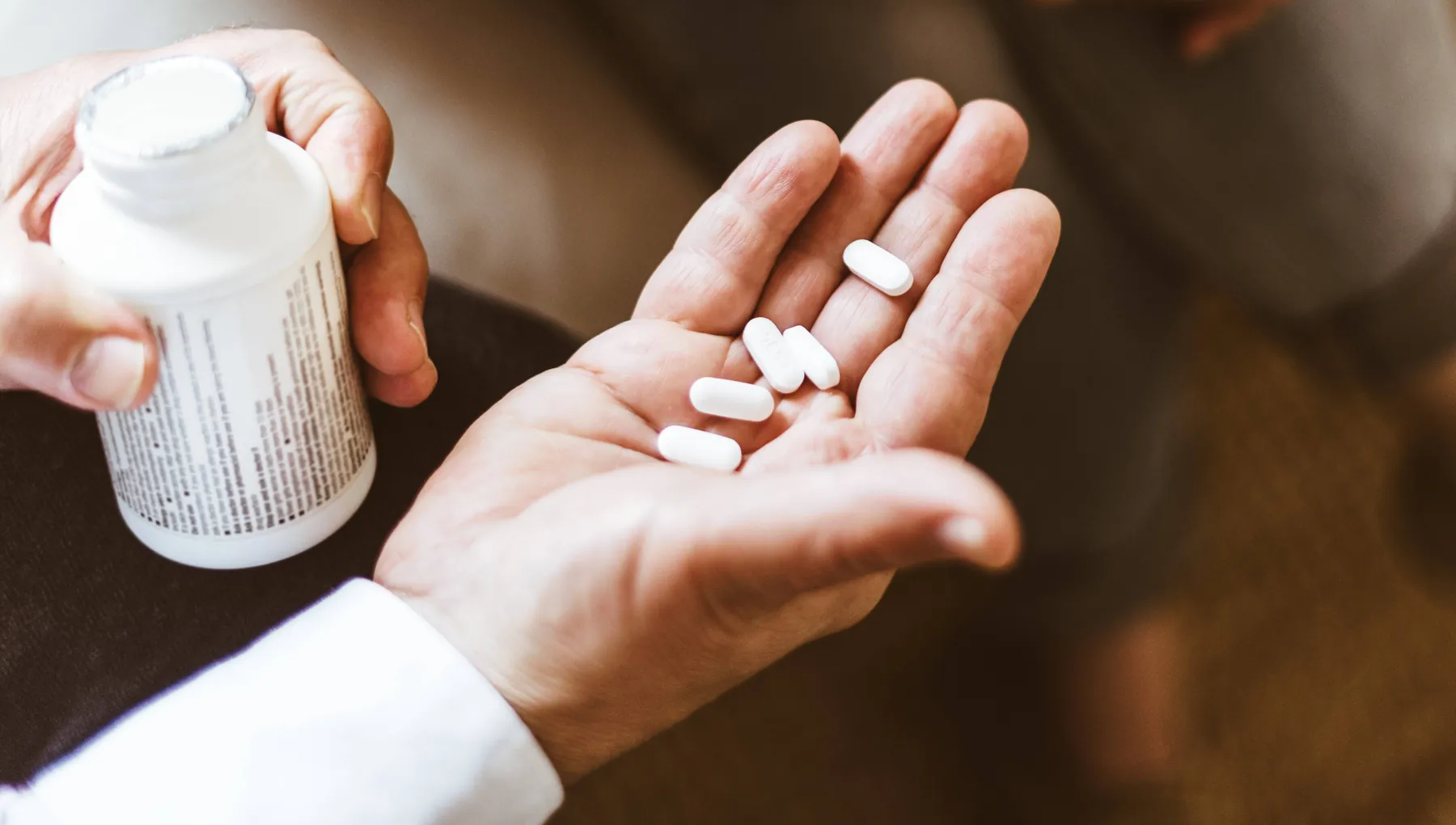
Over-the-counter painkillers are safe for most people when taken occasionally and exactly as directed, but regular, long-term use is a different story:
- Anti-inflammatories (NSAIDs) such as ibuprofen and aspirin can irritate the stomach lining, leading to indigestion, ulcers and bleeding, and with long-term use they can affect the kidneys and raise the risk of heart and circulation problems.
- Paracetamol is processed by the liver and uses up glutathione, one of the body’s most important antioxidants. It’s safe at the right dose, but the margin between a safe dose and a harmful one is smaller than many people realise, particularly if you drink alcohol regularly.
- Stronger painkillers containing codeine and other opioids can cause constipation and drowsiness, and they carry a real risk of dependence.
- Medication overuse headaches are surprisingly common. Taking pain relief for headaches on many days each month can actually make headaches more frequent.
There is also some evidence that regular use of certain painkillers can affect levels of nutrients such as vitamin C and folate, which the body needs to repair tissue.
Pain is a message, and while it makes sense to turn the volume down, it’s just as important to find out what it’s trying to say.
Looking for the root cause
When someone comes to me with ongoing pain, I want to understand what’s driving it. These are some of the areas I look at most often:
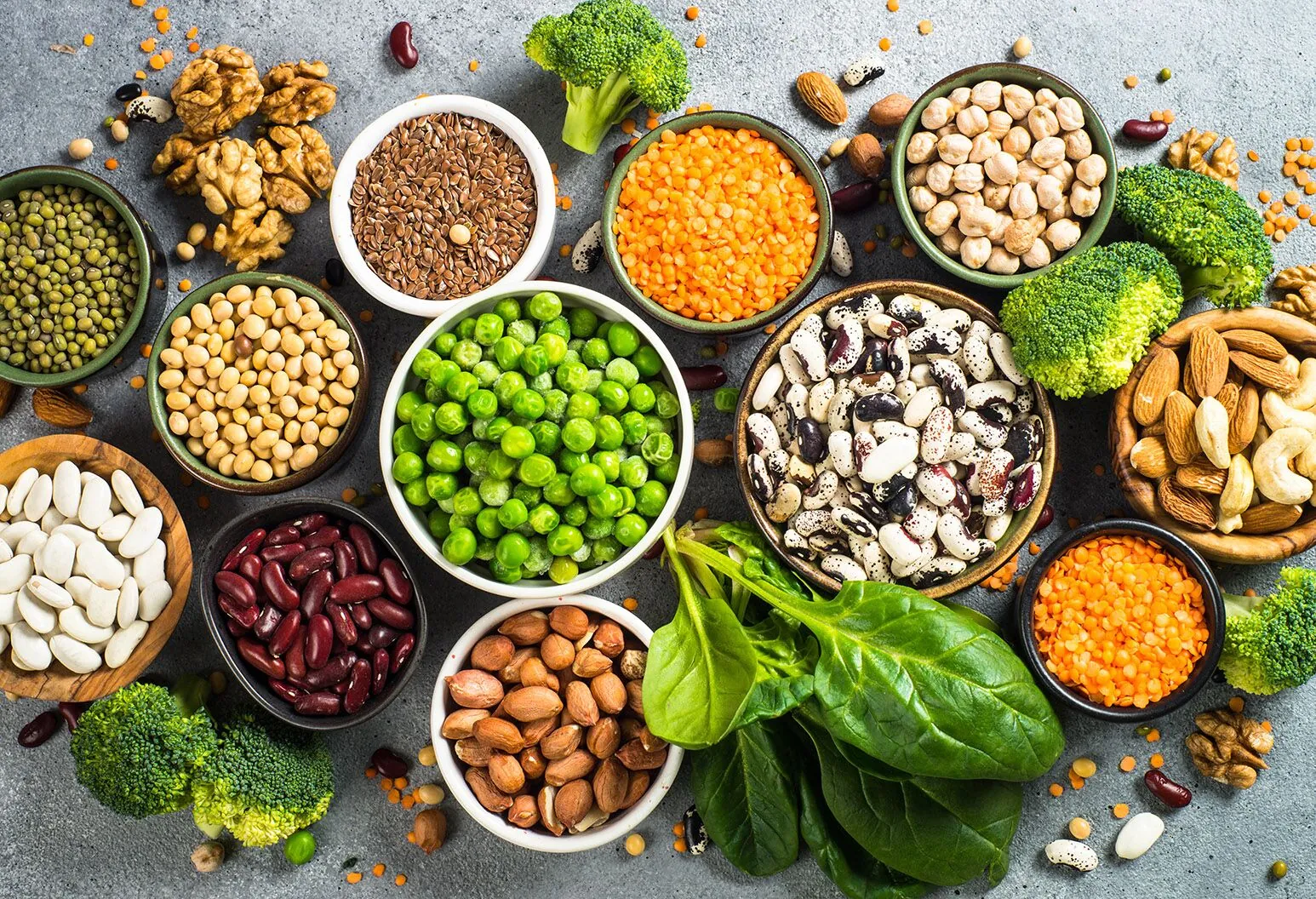
- A diet high in processed foods and refined oils, and low in the omega-3 fats and antioxidants that help regulate inflammation.
- Low magnesium, which is needed for muscles and nerves to relax.
- Gut health, because an imbalanced gut can feed inflammation throughout the body.
- Chronic stress, poor sleep and raised cortisol, which all make pain feel worse.
- Hormonal changes, including the menstrual cycle, thyroid function and perimenopause.
- Posture, old injuries and how much, or how little, you move.
Natural ways to support pain and inflammation
These are some of the approaches I find helpful, always as part of a wider plan:
- Omega-3 fats from oily fish such as salmon, sardines and mackerel, or a good-quality supplement, help the body resolve inflammation.
- Turmeric, which contains curcumin, has been widely studied for joint pain. It’s absorbed far better when taken with black pepper and a little fat.
- Boswellia, also known as frankincense, is traditionally used for stiff, swollen joints.
- Ginger, as a fresh tea or in capsules, can help with period pain, joint discomfort and tension headaches.
- Magnesium, particularly in glycinate or citrate form, can support tight muscles, nerve pain and sleep.
- Epsom salt baths are a lovely way to relax sore muscles at the end of the day.
- Warm castor oil packs are a traditional remedy for cramping and achy joints.
- Acupuncture, which was part of my own recovery, can help reduce pain for many people.
- Movement, sleep and stress management, which are less exciting than any supplement but do a huge amount of the work.
Please do this safely
Natural doesn’t mean risk-free. Turmeric, ginger, omega-3s and devil’s claw, for example, can all affect blood clotting, so they need care if you take blood thinners or have surgery coming up. Some remedies aren’t suitable during pregnancy, and many interact with prescription medication.
Please never stop prescribed pain medication suddenly, and always talk to your doctor before changing how you take it. And if your pain is severe, new, getting worse or comes with other symptoms such as fever, weight loss, numbness or weakness, see a doctor promptly.
If you’re living with ongoing pain and want to understand what’s behind it, book a complimentary discovery call and we can look at the whole picture together.