
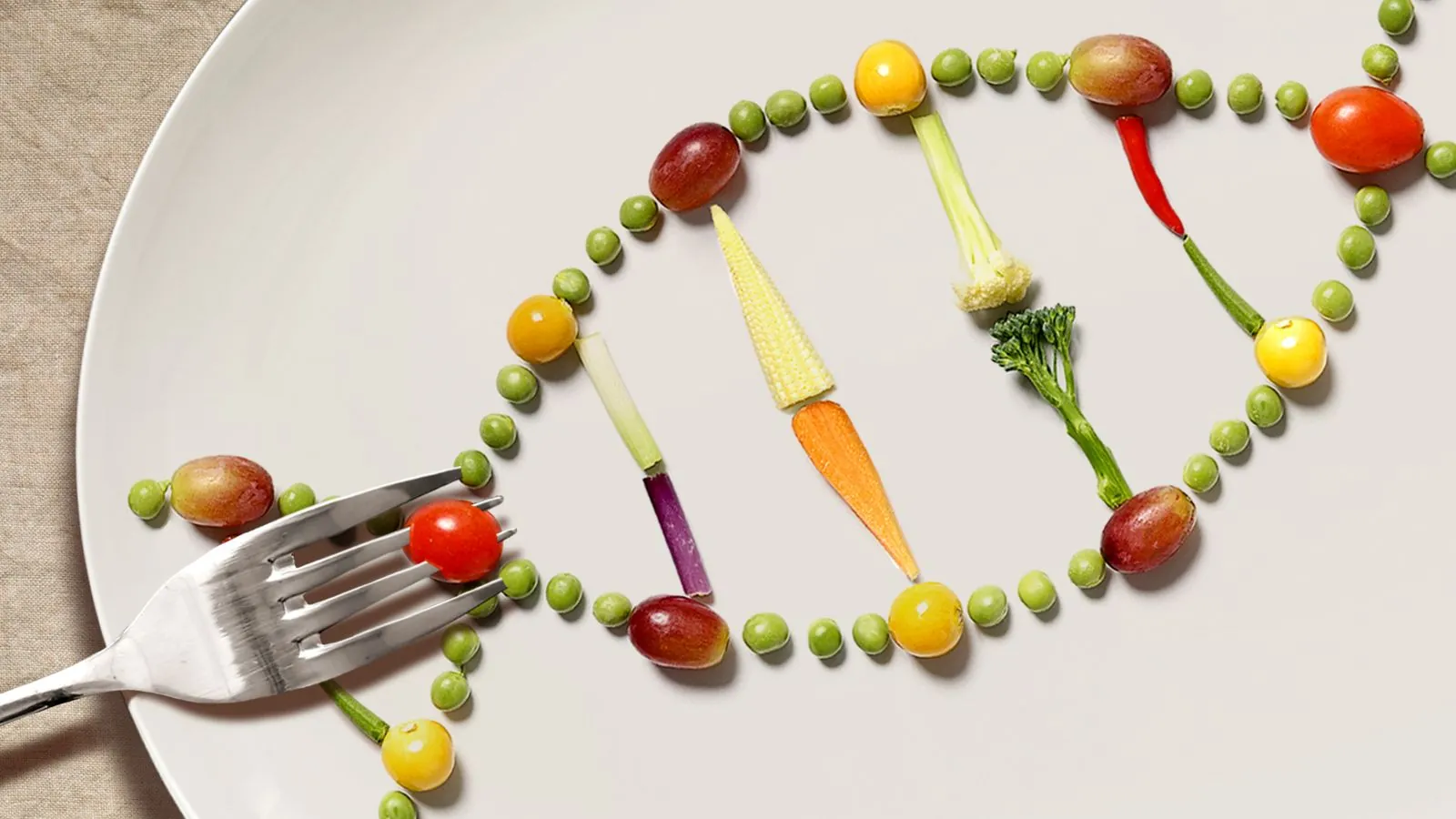
“It runs in my family” is something I hear a lot in clinic, often said as though the outcome is already decided. While our genes certainly matter, one of the most exciting areas of health research shows that they’re not the whole story, and that what we eat every day can influence how our genes behave.
What is epigenetics?
You’re born with a set of genes that stays largely the same throughout your life, but genes aren’t simply on or off from birth. They can be switched up or down, a bit like a dimmer switch, depending on the signals they receive. This process is called epigenetics.
Those signals come from our environment and the way we live, including stress, sleep, exercise, toxins and, importantly, food. It’s one of the reasons two people with very similar genes can end up with very different health.
How food talks to your genes
Certain compounds in food appear to influence these epigenetic switches, and researchers are exploring how this may play a part in heart health, autoimmune conditions, hormonal and brain health, and even some cancers. The research is still evolving, but some foods stand out:
- Turmeric, which contains curcumin.
- Green tea, rich in a polyphenol called EGCG.
- Grapes, berries and red-skinned fruit, which contain resveratrol and other polyphenols.
- Broccoli, kale, rocket and other cruciferous vegetables, which contain compounds called isothiocyanates, including sulforaphane. Broccoli sprouts are a particularly rich source.
These compounds are antioxidants, and they’re being studied for their potential to protect cells, calm inflammation and support healthy ageing. It’s one of the reasons I encourage people to eat a wide variety of colourful plants every day.
Your genes may load the dice, but your daily choices have a great deal of say in how they’re rolled.
What works against you
Unfortunately, the reverse is true too. Diets high in sugar and ultra-processed foods have been linked to changes in genes involved in heart health and memory. Man-made trans fats, found in some processed and fried foods, are also a concern, with research suggesting they may disrupt how the body responds to leptin, the hormone that tells you when you’re full, which can leave you feeling hungrier and eating more.
What this means for you
The message here is a hopeful one. Your genes might give you certain tendencies, but you have far more influence over your health than you might think. Small, consistent choices really do add up:
- Eat a rainbow of vegetables, fruit, herbs and spices every day.
- Add cruciferous vegetables to at least one meal a day.
- Swap one coffee for a cup of green tea.
- Cook with turmeric, ideally with black pepper and a little healthy fat.
- Keep sugar, ultra-processed foods and fried foods to a minimum.
- Look after the other signals your genes receive, including sleep, movement and stress.
If you’d like to understand your own family history and how to build a plan around it, book a complimentary discovery call, or read more about how quiet inflammation affects your health.