Living in Dubai means many of us travel a lot, and there’s nothing worse than spending part of a long-awaited holiday stuck in your hotel room with an upset stomach. When it comes to traveller’s tummy, prevention really is better than cure, and a little preparation can make all the difference.
Before you go
The more resilient your gut is before you travel, the better it tends to cope with unfamiliar food, water and bacteria. In the weeks leading up to your trip, consider:
- A good-quality, multi-strain probiotic, taken for as long as you can before departure.
- Fermented foods such as kefir, live yoghurt, kombucha, sauerkraut and kimchi.
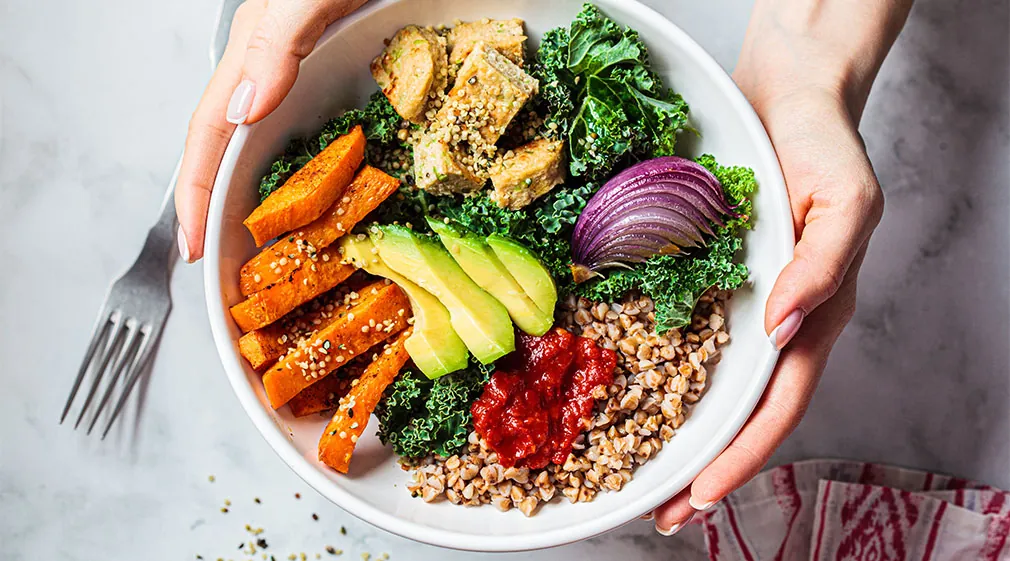
- Plenty of fibre from vegetables, fruit, beans and whole grains, which feeds your beneficial gut bacteria.
It’s well worth carrying on with these when you get home too, especially if your digestion has been unsettled while you were away.
While you’re travelling
*Saccharomyces boulardii* is a beneficial yeast that has been studied for preventing traveller’s diarrhoea, and it’s one of the supplements I’d always pack. It helps support your own gut flora, and because it’s a yeast, it isn’t affected by antibiotics in the same way as bacterial probiotics. Choose a product that doesn’t need refrigeration and contains billions of organisms per capsule, and take it as directed, both to prevent problems and if symptoms appear.
It isn’t suitable for everyone, though. Avoid it if you have a weakened immune system or a central line, and check with your doctor if you’re taking antifungal medication.
The best travel remedy is the one you start before you leave.
Sensible habits that protect you
No probiotic or medication can guarantee protection, so these everyday habits matter just as much:
- Drink bottled or properly treated water, and use it to brush your teeth.
- Avoid ice unless you’re sure it was made with safe water.
- Wash fruit and vegetables in bottled water, or choose fruit you can peel yourself.
- Be cautious with salads, buffets and food that has been left sitting out.
- Eat in busy, reputable places where food is freshly cooked and served hot.
- Wash your hands well before eating, and carry hand sanitiser.
If your stomach is upset
The most important thing is to stay hydrated, as diarrhoea and vomiting can dehydrate you quickly, particularly in hot climates. Sip water regularly, and use oral rehydration salts, which are worth packing in your travel kit.
For a mild upset, fresh ginger, fresh lemon in warm water and chamomile tea are all wonderfully settling for the stomach. Keep meals simple and gentle while you recover, such as rice, broths, bananas and cooked vegetables.
Some people also find homeopathic remedies helpful. Arsenicum album is traditionally used for food-related stomach upsets with diarrhoea and restlessness, and Carbo vegetabilis for bloating, wind and indigestion.
When to get medical help
Please seek medical advice if you have blood in your stool, a high fever, severe abdominal pain, signs of dehydration such as dizziness or very little urine, or if symptoms last more than a couple of days. Babies, young children, older people, pregnant women and anyone with a long-term health condition should get help sooner.
If your digestion never quite feels right, at home or away, have a look at why daily bloating isn’t normal, or book a complimentary discovery call and we can get to the root of it.