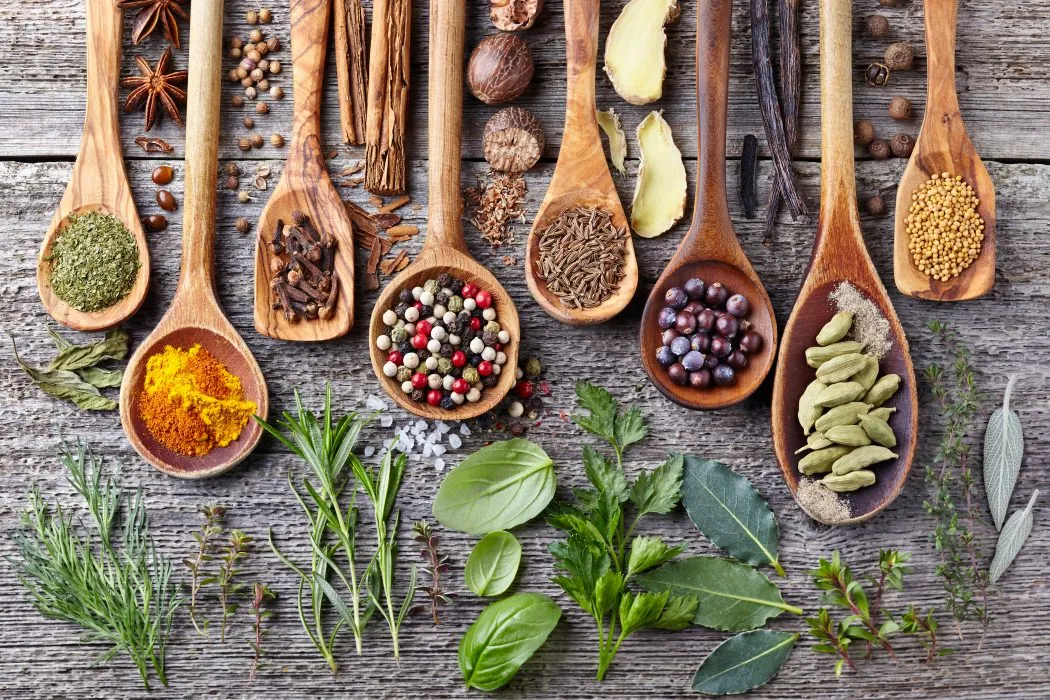
Whether it’s the change of season, a run of late nights, back-to-back flights or the air conditioning blasting all day here in Dubai, there are times when your immune system needs a little more support. The foundations always come first, because sleep, a varied diet full of colour, regular movement and managing stress do more for your immunity than any single remedy. But there are some herbs that have been used for centuries to help the body fight off infection, and a few of them now have research behind them too.
These are five I come back to again and again.
1. Echinacea
Echinacea is probably the best-known immune herb, and with good reason. It comes from a North American daisy that Native American communities used for all sorts of ailments, and today it’s in countless cold and flu remedies. Research suggests it can stimulate parts of the immune system, including the white blood cells that act as your first line of defence, while also calming inflammation.
How to take it: Capsules or tinctures are the easiest options, and it’s worth choosing a standardised product, ideally made from *Echinacea purpurea* or *Echinacea angustifolia*, which are the most studied species. You can also make a tea by simmering a teaspoon of dried root in a cup of water for around fifteen minutes. It tends to work best when you start it at the very first sign of a cold.
Who should avoid it: If you have an autoimmune condition, take immunosuppressant medication or are allergic to plants in the daisy family, echinacea isn’t for you. Speak to a practitioner first if you’re pregnant, breastfeeding or taking any medication.
2. Elderberry
Elder has a long history in European folk medicine, particularly for fevers, as it encourages the body to sweat. The deep purple berries are rich in vitamin C and antioxidant compounds called anthocyanins, and they’re traditionally used to shorten colds and ease flu symptoms.
How to take it: Elderberry syrup is a lovely way to take it and simple to make at home. Simmer dried elderberries in water for about 45 minutes, strain, let it cool slightly and stir in raw honey, then take a spoonful up to three times a day when you’re feeling run down. You can also steep the dried berries as a tea.
A safety note: Always use cooked or properly prepared berries. Raw or unripe elderberries, and the leaves and stems, can cause nausea and stomach upset. Honey-based syrups shouldn’t be given to babies under one.
The best time to support your immune system is before you need it, but a few well-chosen herbs can make a real difference when you’re run down.
3. Propolis
Propolis isn’t technically a herb, it’s a resin that bees make from tree buds and use to protect their hives from infection. It has antimicrobial, antiviral and antifungal properties, is rich in antioxidants, and I find it especially useful for sore throats, mouth ulcers and tickly coughs.
How to take it: Propolis throat sprays and lozenges are brilliant at the first scratch of a sore throat, and tinctures and capsules are also available. It can be used on the skin in balms for minor cuts and blemishes too. Start with a small amount and build up gradually.
Who should avoid it: Anyone with an allergy to bee products, pollen or honey, and people with asthma should take extra care. It can occasionally irritate the stomach.
4. Goldenseal
Goldenseal is sometimes described as a natural antibiotic. Its main active compound, berberine, has antimicrobial and anti-inflammatory effects, and it’s traditionally used for infections of the mucous membranes, such as the throat and sinuses, as well as on the skin.
How to take it: It’s a potent, low-dose herb, so capsules or tinctures should be taken exactly as directed and only for short periods. It also comes in creams and balms for the skin, though be warned that its bright yellow colour stains.
Who should avoid it: Goldenseal isn’t suitable during pregnancy or breastfeeding, and it interacts with a wide range of medications because of how it affects the liver’s processing of drugs. Please check with a qualified practitioner before using it, and look for cultivated rather than wild-harvested goldenseal, as the plant is at risk from overharvesting.
5. Andrographis
Andrographis is a staple of both Ayurveda and Traditional Chinese Medicine, where it has long been used for colds, flu and digestive complaints. Its active compounds, andrographolides, appear to support the immune response, and studies suggest it may help reduce how severe a cold feels and how long it lasts.
How to take it: It’s one of the most bitter herbs you’ll ever taste, so most people prefer capsules or tablets. It’s generally best taken on an empty stomach and started early in an infection.
Who should avoid it: Andrographis isn’t suitable during pregnancy or breastfeeding, and it may interact with blood pressure and blood-thinning medication, so get advice first if you take any medication.
A few final thoughts
Doses vary a lot between brands, so always follow the manufacturer’s guidance, and remember that these herbs are for supporting the body through everyday infections rather than replacing medical care. If you have a high fever, difficulty breathing, symptoms that keep getting worse or an infection that won’t shift, please see your doctor.
If you find yourself catching everything going, it’s worth looking deeper at why your immune system is struggling, because it’s often linked to gut health, sleep, stress or low levels of nutrients like vitamin D, zinc and iron. You can read more about the signs of quiet inflammation, or book a complimentary discovery call and we can work out what your body needs.