
For so many women, the week or so before a period brings a familiar mix of cravings, bloating, irritability, low mood, tender breasts and poor sleep. Because it’s so common, PMS often gets brushed off as just part of life, but it doesn’t have to be, and what you eat across the month can make a real difference to how you feel.
These are some of the nutrition changes I find most helpful.
Calcium
Calcium is one of the best-studied nutrients for PMS, and research has found that getting enough of it can reduce symptoms such as low mood, fatigue, cravings and bloating.
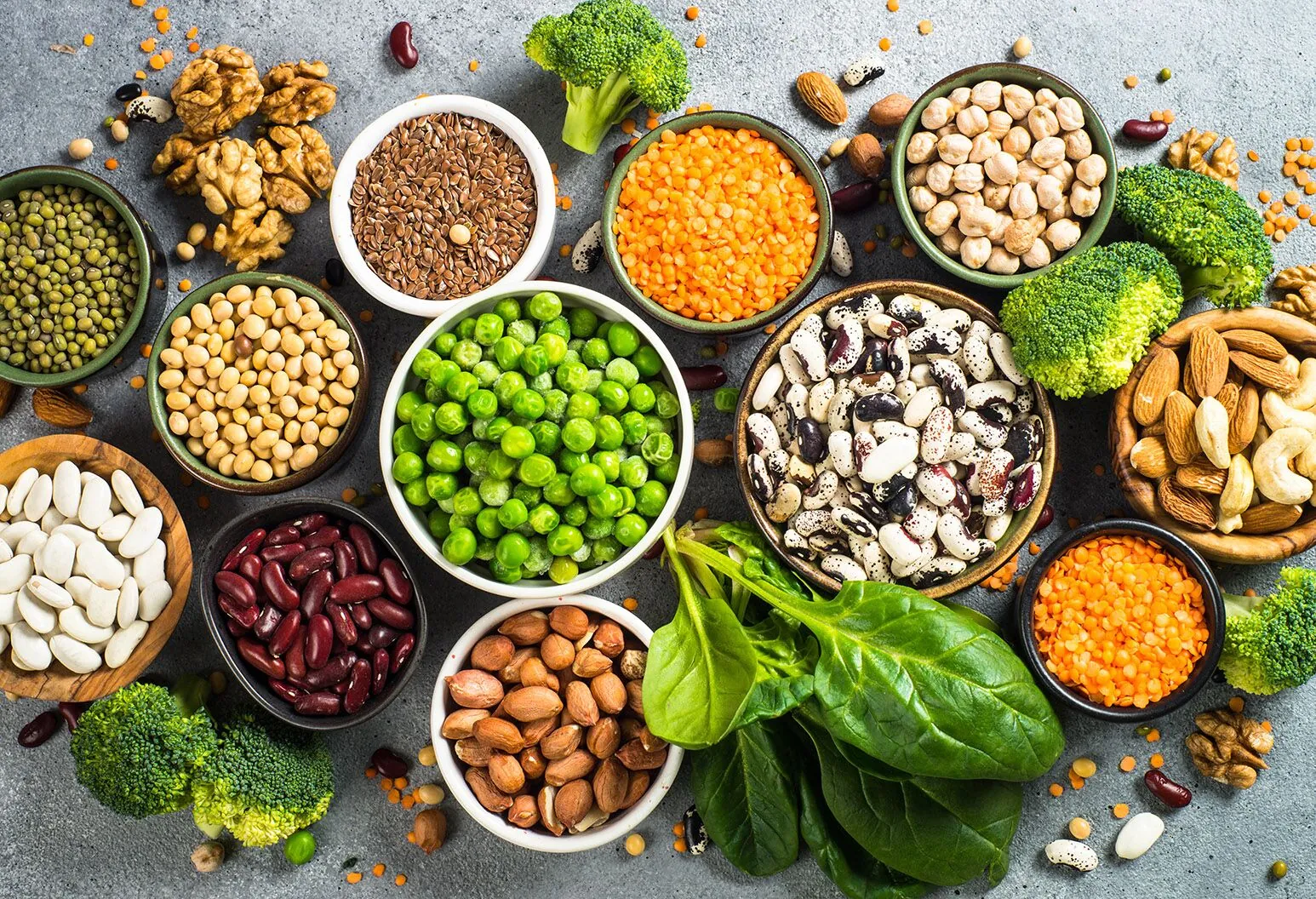
Good food sources include organic tofu, sardines with their bones, sesame seeds and tahini, almonds, leafy greens and dairy if you eat it. Tahini is a particularly easy one to add, whether it’s drizzled over roasted vegetables, stirred into a dressing or spread on toast.
Some women benefit from a supplement as well. Studies have typically used around 1,200mg of calcium a day in total, and calcium citrate tends to be well absorbed. Please check with a practitioner before supplementing, as calcium isn’t right for everyone, particularly if you’ve had kidney stones, and it can interfere with the absorption of iron and thyroid medication if they’re taken at the same time.
Magnesium
Magnesium helps muscles and nerves relax, and it’s involved in mood and sleep. There’s a popular theory that the monthly chocolate craving is partly your body asking for more magnesium, as dark chocolate is a good source. If you do reach for chocolate, make it a good-quality dark one.
Pumpkin seeds, spinach, tofu, quinoa, almonds and dark leafy greens are all great ways to increase your intake through food.
PMS is common, but it isn’t something you simply have to put up with every month.
Flaxseeds
Ground flaxseeds contain fibre and plant compounds called lignans, which help the body balance and clear oestrogen. Some women find that around two tablespoons a day in the second half of the cycle, after ovulation, helps with breast tenderness in particular. Stir them into yoghurt, porridge or a smoothie, and drink plenty of water alongside them.
Bloating and water retention
If bloating and puffiness are part of your PMS, there are two simple places to start. Cutting back on heavily salted and processed foods can help reduce water retention, and a good-quality probiotic may help to settle the gut. I’ve written more about this in why daily bloating isn’t normal.
Supporting hormone balance
Your liver and gut play a big part in processing hormones and clearing the ones your body no longer needs. You can support that process by:
- Eating your greens, especially cruciferous vegetables such as rocket, broccoli, kale and cabbage.
- Prioritising fibre from vegetables, beans, lentils, seeds and whole grains, which helps the body clear used oestrogen through the gut.
- Moving regularly, as exercise supports both hormone balance and mood.
- Choosing oily fish over red meat more often, as the omega-3 fats in fish help calm inflammation and may ease cramping.
- Keeping processed foods and refined fats to a minimum.
Steady blood sugar matters too, as crashes can make irritability and cravings much worse, so try to build your meals around protein, fibre and healthy fats.
When to get support
If your PMS is severe, affects your relationships or work, or comes with very low mood or anxiety, please speak to your doctor, as it may be PMDD, which needs proper support. Heavy, very painful or irregular periods are also worth investigating, as they can point to conditions such as endometriosis, fibroids or PCOS.
Women’s hormonal health is one of the areas I work with, and if you’d like a plan built around your cycle and your symptoms, book a complimentary discovery call.