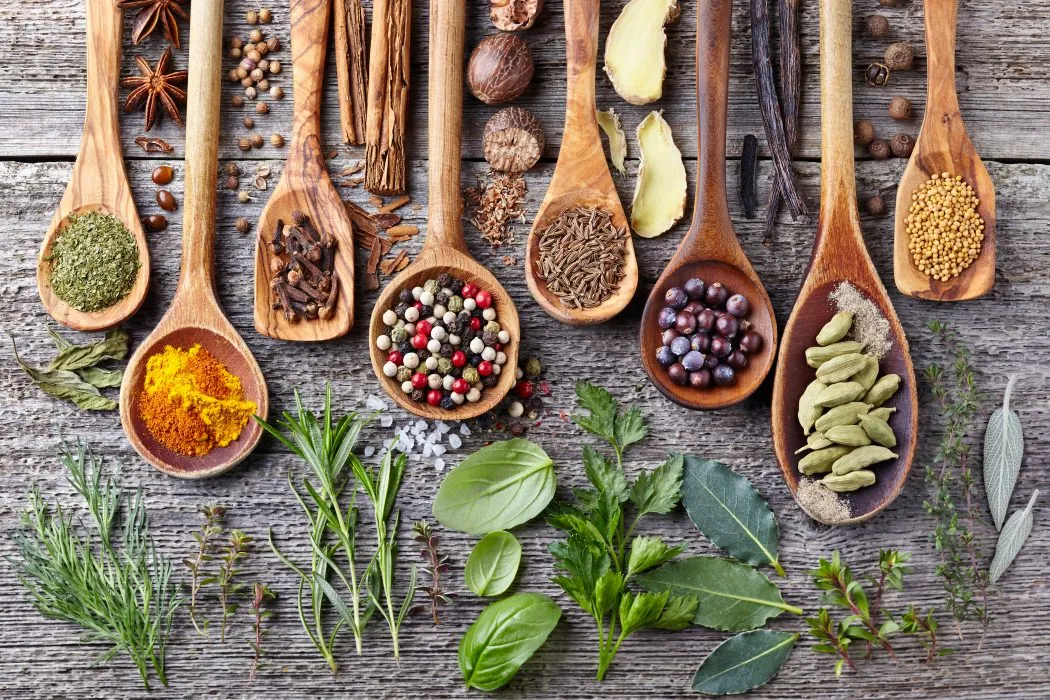
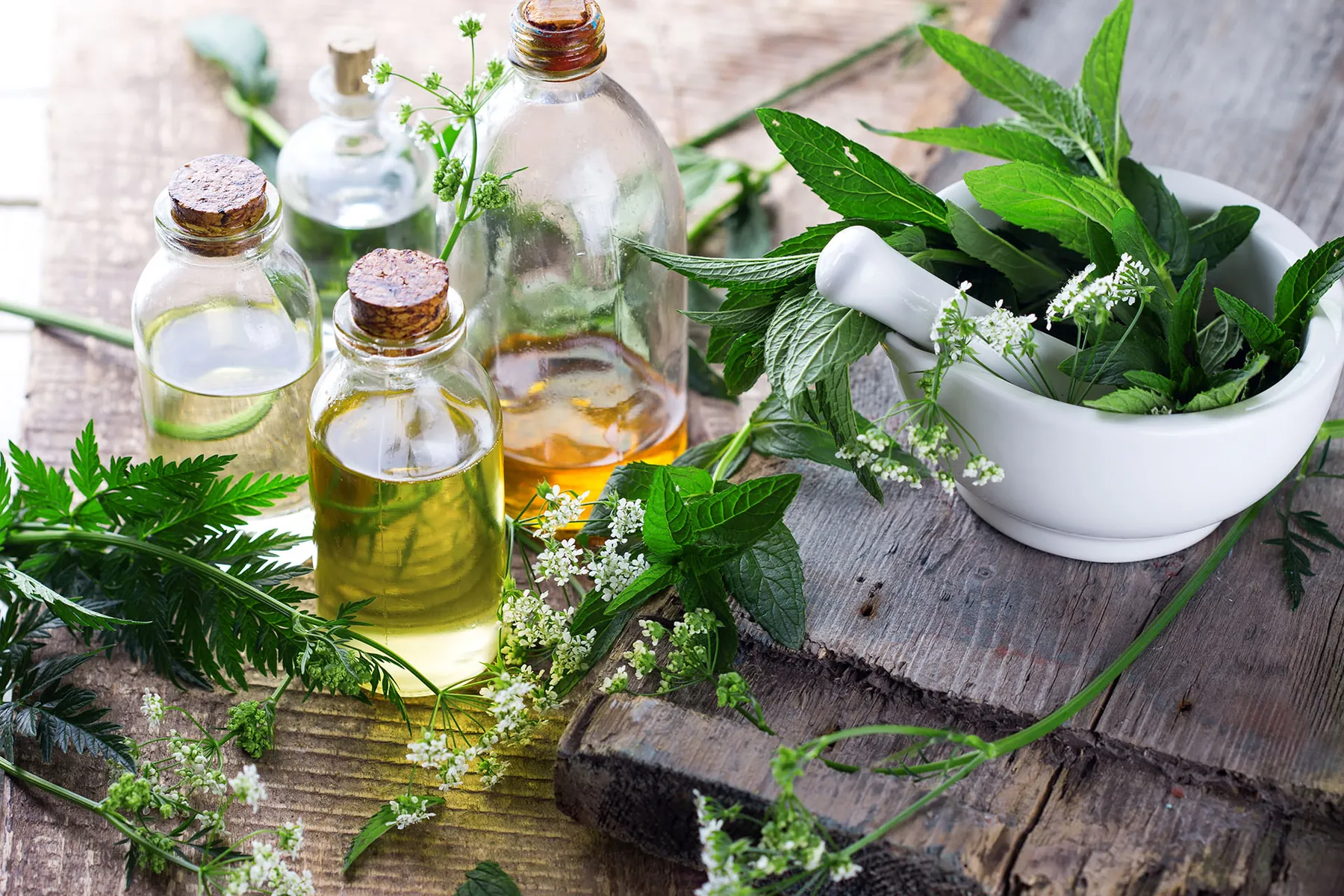
Long before pharmacies existed, people turned to the plants growing around them when they felt unwell, and in many parts of the world that’s still the first port of call today. Herbal medicine is one of the oldest forms of healthcare we have, and it’s also one of the most misunderstood, so I wanted to explain what it actually is, how I use it in clinic and how you can start using herbs thoughtfully at home.
What herbal medicine actually is
Herbal medicine is the practice of using plants to support health. Leaves, flowers, roots, seeds and bark all contain natural compounds that have real effects on the body, which is exactly why so many conventional medicines were originally developed from plants. Aspirin, for example, has its roots in willow bark.
What makes herbal medicine different is that it uses the whole plant, or a concentrated extract of it, rather than isolating a single compound. Plants contain dozens of active constituents that work together, and that’s a big part of why one herb can have several different effects in the body.
How herbs are prepared
You’ll come across herbs in a few different forms, and each one has its place:
- Teas and infusions, where dried leaves or flowers are steeped in hot water. They’re gentle, easy to build into your day and a lovely way to start.
- Decoctions, where tougher parts like roots and bark are simmered for longer to draw out their constituents.
- Tinctures, which are liquid extracts usually made with alcohol or glycerine. They’re concentrated, so you only need a small amount, and they’re what I use most often in clinic because doses can be tailored precisely.
- Capsules and tablets, which are convenient if you don’t enjoy the taste of a herb or need a consistent dose.
- Creams, balms and ointments for skin, where herbs are applied directly to where they’re needed.
In practice, a herbalist or naturopath will often combine several herbs into a formula designed around one person. That’s very different from picking a single herb off a shelf, because the formula takes into account your symptoms, your history, any medication you’re on and how your body tends to respond.
Herbs are not a gentler version of a pill, they’re a different way of supporting the body, and they work best when they’re chosen for the person in front of you.
One herb, many actions
One of the things I love most about herbs is that they rarely do just one thing. Dandelion is a good example. The leaf is traditionally used as a gentle diuretic to help the body release excess fluid, while the root has long been used to support digestion and the liver, and to keep the bowels moving.
Some herbs work by supporting how an organ functions, while others nudge the body into a particular response, such as relaxing tense muscles in the gut or encouraging a sweat during a fever. Understanding these actions is what allows a practitioner to match the right herbs to the right person.
What herbs are traditionally used for
Herbal medicine can support a wide range of everyday health concerns, and these are some of the areas I see it used most often, along with herbs traditionally associated with each one:
- Sleep and relaxation: chamomile, lavender, passionflower and valerian.
- Stress, anxiety and nervous tension: oat seed, skullcap and lemon balm.
- Energy and resilience under stress: adaptogens such as ashwagandha, rhodiola and Siberian ginseng.
- Immune support through the colder months: echinacea, elderberry and andrographis. I’ve written a whole piece on herbs to support your immune system.
- Coughs and sore throats: thyme, liquorice and mullein.
- Soothing an irritated gut: slippery elm, marshmallow root and aloe vera.
- Digestion and liver support: milk thistle, dandelion and schisandra.
- Focus and memory: ginkgo and bacopa.
- Circulation: rosemary, gotu kola and ginger.
Herbs can also play a part in supporting hormonal health, skin conditions like acne and eczema, and digestive complaints like bloating and IBS, usually as one piece of a wider plan that includes food, sleep and lifestyle.
Using herbs safely
Natural doesn’t automatically mean safe, and this is the part I always want people to take seriously. Herbs are active, which is exactly why they can help, and it’s also why they need to be used with care.
- Check for interactions. Many herbs interact with prescription medication, including the contraceptive pill, blood thinners, antidepressants, blood pressure medication and thyroid medication. If you take any medication, speak to a qualified practitioner or your doctor before starting a herb.
- Pregnancy and breastfeeding. Lots of herbs aren’t suitable during pregnancy or while breastfeeding, so always get personalised advice first.
- Quality matters. Buy from reputable suppliers who test their products, because the strength and purity of herbs can vary enormously.
- Start gently. Begin with one herb at a time and a lower dose, so you can see how your body responds.
- Don’t self-treat something serious. Herbs can support your health, but they shouldn’t delay a proper medical assessment if you have new, worsening or worrying symptoms.
How I use herbs in clinic
When herbal medicine forms part of someone’s plan, it’s never chosen in isolation. I look at your full health history, what you’re already taking and what your body needs right now, then choose herbs that work alongside your nutrition and lifestyle changes rather than in place of them. Herbal medicine is one of several traditions I draw on, and you can read more about how they fit together in what a naturopath actually does.
If you’re curious about whether herbs could support you, book a complimentary discovery call and we can talk it through, or start with the free Root Cause Quiz to see which areas of your health might be asking for support.